Best Eggs
of Any Year
(April 2026)
of Any Year
(April 2026)
From birds to masterpieces
According to MyOwnOppinion
A typical chicken egg has an oval, slightly asymmetrical shape, with one end broader than the other. Its shell is smooth, hard, and porous, usually white or light brown, though some breeds lay blue, green, or cream-colored eggs. Inside, the egg consists of three main parts: the thin outer and thick inner layers of egg white (albumen), which is clear and protein-rich when raw; the round yolk, which is yellow or orange and contains fats and vitamins; and small chalazae (twisted cord-like strands) that anchor the yolk in place. A fresh egg has a firm, domed yolk and thick white.
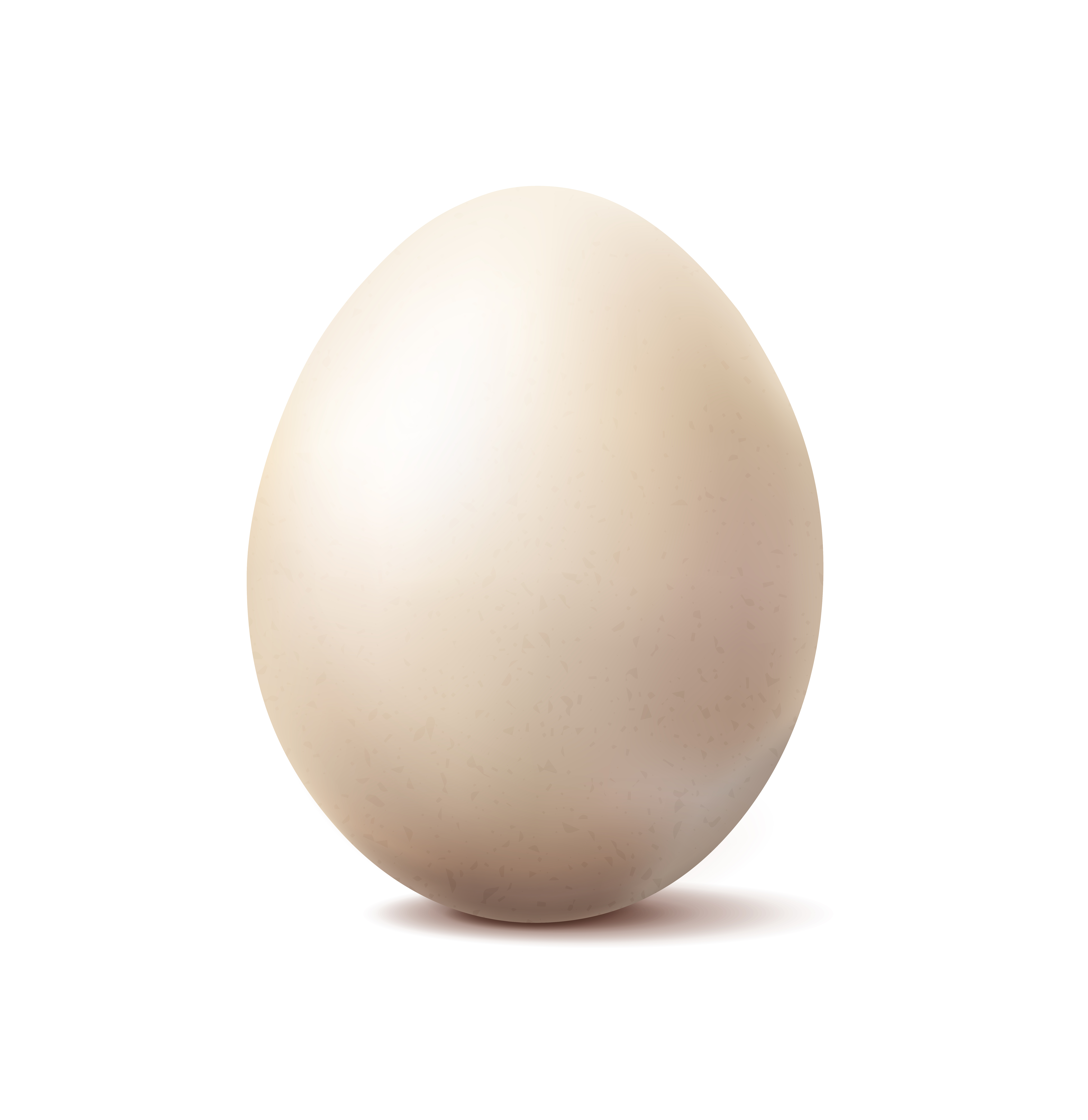
A typical chicken egg has an oval, slightly asymmetrical shape, with one end broader than the other. Its shell is smooth, hard, and porous, usually white or light brown, though some breeds lay blue, green, or cream-colored eggs. Inside, the egg consists of three main parts: the thin outer and thick inner layers of egg white (albumen), which is clear and protein-rich when raw; the round yolk, which is yellow or orange and contains fats and vitamins; and small chalazae (twisted cord-like strands) that anchor the yolk in place. A fresh egg has a firm, domed yolk and thick white.
A dinosaur egg is a fossilized remnant of a prehistoric reproductive structure, varying dramatically in size, shape, and structure depending on the species. The smallest known eggs are just 2–3 cm (0.8–1.2 in) long, similar to a quail egg, while the largest discovered can be over 60 cm (2 ft) long and 20 cm (8 in) in diameter, which is significantly larger than any bird egg alive today.

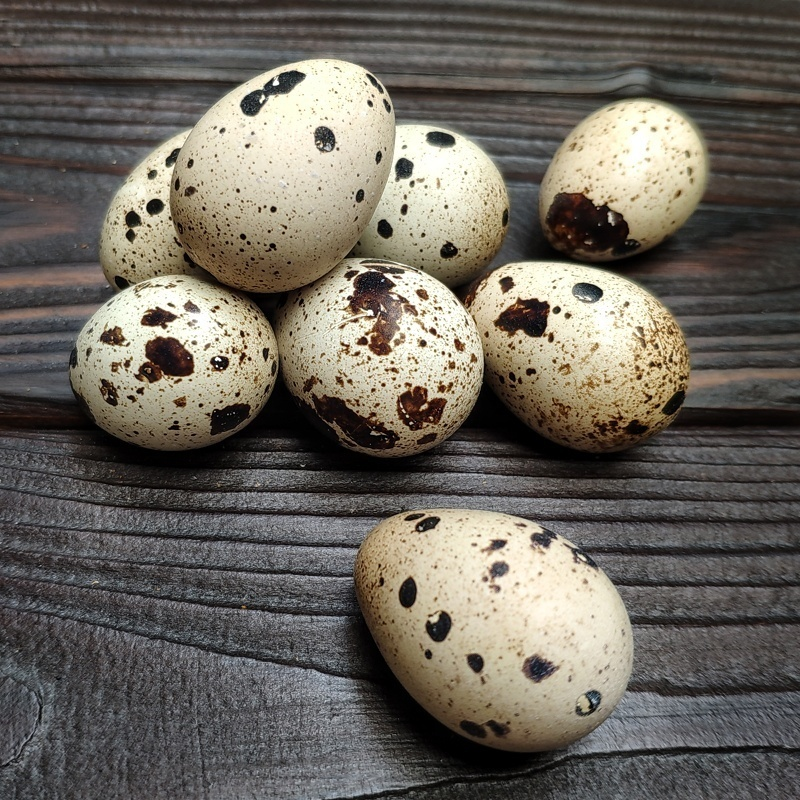
A quail egg is much smaller than a chicken egg — about 3–4 cm (1.2–1.6 inches) long and weighing 9–12 grams (roughly one-fifth the weight of a large chicken egg). Its shape is more elongated and slightly pointed at one end, giving it an elegant, teardrop-like appearance.
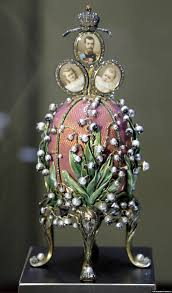
A Fabergé egg is not a biological object but a luxurious, jeweled Easter egg created by the House of Fabergé in Russia between 1885 and 1917. Most were commissioned by Tsars Alexander III and Nicholas II as gifts for their wives and mothers. The eggs vary in size but are typically about 5–15 cm (2–6 inches) tall, roughly comparable to a goose or small ostrich egg.